Two-way radios are a versatile communication tool for personal and professional use. Whether you’re hiking, camping, or preparing for emergencies, choosing the right type of radio depends on your specific needs.
⭐⭐⭐⭐⭐ Two Way Radios Up to 25% Off 🏷️
This guide explores the best options in each category: FRS, GMRS, CB, Ham, and MURS, along with a comparison table to help you decide.
Comparison Table
| Type | Model | License Required | Range (Real World) | Features | Best Use |
|---|---|---|---|---|---|
| FRS | Motorola T605 H2O | No | ~2 miles | Waterproof, emergency alerts | Family outings, hiking |
| GMRS | Midland GXT1000VP4 | Yes | ~5-10 miles | Long range, NOAA alerts | Hiking, off-road trips |
| CB | Uniden PRO520XL | No | ~3-5 miles | Vehicle-mounted, 40 channels | Road trips, trucking |
| Ham | Baofeng UV-5R | Yes | ~20-50 miles (with repeaters) | Dual-band, customizable | Emergency prep, hobbyists |
| MURS | BTECH MURS-V2 | No | ~3-4 miles | License-free, dedicated channels | Businesses, local use |
FRS (Family Radio Service): Motorola T605 H2O
The Motorola T605 H2O is a robust and waterproof FRS radio, perfect for outdoor adventures. It operates on 22 channels and requires no license.

Pros:
- License-free operation
- Waterproof and floats
- Affordable
- Built-in flashlight and emergency alert features
Cons:
- Limited range (up to 2 miles in real-world conditions)
- No access to repeaters
Best For: Casual outdoor enthusiasts and families.
GMRS (General Mobile Radio Service): Midland GXT1000VP4
The Midland GXT1000VP4 offers a high-powered GMRS solution with 50 channels and up to 36 miles of range (line-of-sight). It requires a GMRS license.

Pros:
- Long range with clear communication
- NOAA weather alerts
- Durable and water-resistant
- Access to GMRS repeaters
Cons:
- Requires an FCC license
- Heavier than FRS radios
Best For: Serious hikers, off-road enthusiasts, and small business use.
CB (Citizens Band): Uniden PRO520XL
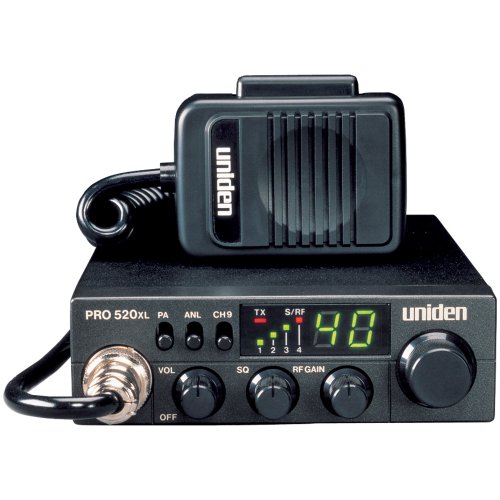
The Uniden PRO520XL is a compact and reliable CB radio with 40 channels, ideal for road trips and trucking.
Pros:
- No license required
- Wide compatibility (standardized 40 channels)
- Good for vehicle-to-vehicle communication
Cons:
- Bulky compared to handheld radios
- Limited range (3-5 miles)
Best For: Drivers, truckers, and travelers.
Ham (Amateur Radio): Baofeng UV-5R
The Baofeng UV-5R is a popular and affordable dual-band Ham radio with customizable settings and access to repeaters.

Pros:
- Exceptional range with repeater access
- Dual-band (VHF/UHF)
- Highly customizable
- Affordable entry-level option
Cons:
- Requires a Ham license
- Steeper learning curve
Best For: Emergency preparedness, hobbyists, and serious communicators.
MURS (Multi-Use Radio Service): BTECH MURS-V2
The BTECH MURS-V1 is a versatile and license-free MURS radio, providing clear communication on 5 dedicated channels.

Pros:
- License-free operation
- Less crowded frequencies
- Good range and clarity
Cons:
- Limited to 2 watts of power
- No repeater access
Best For: Small businesses, property management, and local communication.
Summary
Each type of two-way radio offers unique advantages tailored to specific needs.
- FRS: Best for casual use and short-distance communication.
- GMRS: Ideal for extended range and serious outdoor enthusiasts.
- CB: Perfect for road communication without a license.
- Ham: Offers unmatched range and flexibility but requires a license and technical know-how.
- MURS: Balances simplicity and effectiveness for small-scale use.
Choose the radio that aligns with your lifestyle, and you’ll have a reliable communication tool at your side!
Related Posts
